
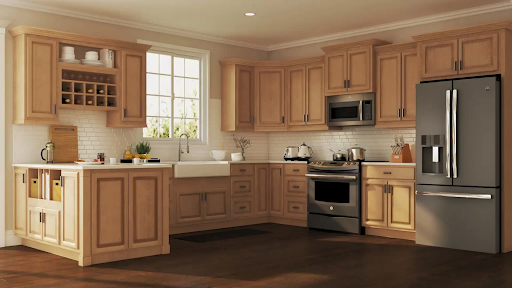

A beautiful kitchen can quickly become frustrating when there is not enough storage. On the other hand a kitchen packed with cabinets can feel crowded and outdated. That balance between style and function is where many homeowners struggle during a remodel.
You want cabinets that look modern and match your space. At the same time you need enough room for dishes cookware appliances and pantry items. It sounds simple until you start planning layouts finishes and storage options.
That is why many people visit a trusted cabinet store before making final decisions. Seeing real cabinet styles and storage solutions in person often helps homeowners understand what actually works in daily life.
This guide will show you how to create kitchen cabinet designs that feel clean stylish and practical without sacrificing storage space.
Why Beautiful Kitchens Still End Up Feeling Cluttered
A lot of kitchens look amazing in photos but become difficult to use in real life. The main reason is poor planning. Many homeowners focus heavily on cabinet colors and finishes while ignoring how storage works day to day.
For example open shelving may look attractive at first. But when every plate spice jar and coffee mug stays visible all the time the kitchen can start feeling messy fast.
Another common issue is choosing trendy cabinet styles without thinking about functionality. Deep cabinets without organizers often turn into wasted space. Tiny drawers can create frustration when storing larger kitchen tools.
Even modern layouts can feel cramped if storage zones are poorly arranged. Imagine keeping pots far from the stove or pantry items spread across multiple cabinets. Small inconveniences add up quickly.
The goal is not simply adding more cabinets. It is creating smarter storage while maintaining a visually balanced kitchen.
Start With the Way You Actually Use Your Kitchen
Before picking colors handles or cabinet doors think about your routine first. The best kitchen cabinet designs support the way you cook clean and move around the space.
Pay Attention to Daily Habits
Do you cook large meals often? Do you rely on small appliances every day? Are you constantly reaching for spices containers or baking trays?
Your answers shape the cabinet design more than trends do.
For example families that cook daily usually need:
- Deep drawers for pots and pans
- Pull out pantry storage
- Wide countertop access
- Easy to clean cabinet surfaces
Someone who entertains guests regularly may prioritize display storage and stylish finishes instead.
Create Functional Storage Zones
One simple trick professional designers use is zoning. Keep related items together.
Examples include:
- Cooking tools near the stove
- Plates near the dishwasher
- Snacks near the fridge
- Coffee supplies in one cabinet section
This keeps the kitchen organized without adding unnecessary cabinetry.
Choosing Cabinet Styles That Do Not Sacrifice Function
Cabinet style affects both appearance and storage efficiency. Some designs look sleek but may not suit busy kitchens. Others offer excellent storage but feel bulky.
One option homeowners continue choosing is Flat panel cabinets because they create a clean and uncluttered appearance.
Why Minimal Cabinet Designs Feel More Spacious
Modern kitchens often use simple cabinet styles because they visually open the room. Flat surfaces clean lines and fewer decorative details reduce visual noise.
Flat Panel Cabinets Work Well in Busy Kitchens
Many homeowners choose Flat panel cabinets because they blend easily with different kitchen styles. They also make smaller kitchens appear larger.
Another advantage is easier cleaning. Decorative grooves and raised panels collect dust and grease over time. Flat surfaces are simpler to maintain especially in high traffic kitchens.
These cabinets pair well with:
- Hidden storage solutions
- Handleless designs
- Soft close drawers
- Built in organizers
The result feels modern without losing practicality.
Avoid Overcomplicating the Design
Too many textures colors and cabinet details can overwhelm the kitchen. Even large kitchens benefit from visual simplicity.
A balanced design often uses:
- One dominant cabinet finish
- Limited hardware styles
- Consistent cabinet lines
- Strategic accent features
This keeps the space looking polished instead of chaotic.
Smart Storage Features That Make a Huge Difference
Stylish cabinets matter but smart storage features completely change how the kitchen functions.Many homeowners regret skipping storage upgrades because they seem optional during renovation planning. Later they realize those small additions improve daily life the most.
Pull Out Storage Saves Space
Pull out shelves help eliminate wasted cabinet depth. Instead of reaching into dark corners everything becomes easier to access.
Popular pull out features include:
- Spice organizers
- Trash pull outs
- Vertical tray storage
- Pantry pull outs
These solutions make cabinets feel larger without increasing kitchen size.
Deep Drawers Often Work Better Than Lower Cabinets
Traditional lower cabinets force people to crouch and dig for cookware. Deep drawers solve that issue.
They work especially well for:
- Pots and pans
- Food containers
- Mixing bowls
- Heavy kitchen tools
Many modern kitchens now replace lower cabinets with drawer systems because they improve convenience dramatically.
A good cabinet store can usually demonstrate these storage systems in person which helps homeowners visualize how they function in real kitchens.
Common Mistakes That Ruin Kitchen Cabinet Balance
Some cabinet mistakes are surprisingly common. They can affect both style and storage even in expensive remodels.
Adding Too Many Upper Cabinets
Extra storage sounds helpful until the kitchen starts feeling heavy and crowded.
Too many upper cabinets can:
- Block natural light
- Make ceilings feel lower
- Create visual clutter
- Reduce open space
Instead try balancing cabinets with:
- Open areas
- Floating shelves
- Larger windows
- Strategic pantry storage
Ignoring Appliance Placement
Cabinets should work with appliances not fight against them.
Poor placement often causes:
- Tight walkways
- Difficult cabinet access
- Awkward cooking zones
- Crowded countertops
Always plan cabinet layouts around movement and workflow first.
Choosing Style Over Durability
Some finishes and materials look beautiful online but struggle in real kitchens.
High gloss finishes may show fingerprints constantly. Delicate hardware can loosen over time. Trendy colors sometimes feel outdated quickly.
A balanced kitchen should still look good years later not just on renovation day.
How to Make Small Kitchens Feel Bigger Without Losing Storage
Small kitchens require smarter cabinet planning because every inch matters.The good news is you do not always need more square footage. Better cabinet design alone can completely transform the space.
Use Vertical Storage
Tall cabinets create additional storage without consuming extra floor space.
They are useful for:
- Pantry items
- Cleaning supplies
- Seasonal cookware
- Bulk storage
Ceiling height cabinetry also creates a more custom and polished appearance.
Stick With Lighter Finishes
Dark cabinets can make compact kitchens feel tighter especially with limited natural light.
Lighter tones help reflect light and visually expand the room. Soft white warm gray natural wood and muted beige remain popular for this reason.
Reduce Visual Clutter
Busy kitchens feel smaller than organized ones.
Consider:
- Concealed storage
- Built in appliance garages
- Minimal hardware
- Consistent cabinet colors
Even a compact kitchen can feel calm and spacious with cleaner cabinet lines.
Finding the Right Balance Between Trendy and Timeless
Kitchen trends change constantly. What feels modern today may look outdated in a few years.That does not mean avoiding trends completely. The key is balance.
Invest in Timeless Foundations
Cabinets are long term investments. Replacing them later is expensive.
Choose timeless elements for:
- Cabinet structure
- Layout
- Main colors
- Core materials
Then add personality through:
- Lighting
- Decor
- Hardware
- Backsplash choices
This approach keeps the kitchen flexible over time.
Think About Resale Value Too
Overly unique cabinet designs may not appeal to future buyers.Neutral cabinet styles with smart storage tend to age better and attract broader interest. That is another reason many homeowners continue choosing simple modern cabinet styles instead of highly decorative trends.
A professional cabinet store often helps homeowners compare long term practicality against short term design trends before final decisions are made.
Conclusion
Balancing style and storage in kitchen cabinet design is really about thoughtful planning. A kitchen should feel attractive but also support real daily routines.The best designs combine clean visuals with practical storage solutions. They avoid unnecessary clutter while making everyday tasks easier.Instead of chasing trends focus on how the kitchen will function over time. Smart layouts durable materials and efficient storage features usually create the most satisfying results.Whether you prefer modern simplicity or a warmer traditional look the right cabinet choices can completely transform how your kitchen feels and works.
FAQs
How do I maximize kitchen storage without adding more cabinets?
Use pull out shelves deep drawers vertical storage and cabinet organizers. These solutions improve space efficiency without making the kitchen feel crowded.
Are Flat panel cabinets good for small kitchens?
Yes. Flat panel cabinets create a cleaner and more open appearance. Their simple design helps smaller kitchens feel less busy and more spacious.
What should I prioritize first style or storage?
Storage and functionality should come first. A stylish kitchen becomes frustrating quickly if it lacks practical organization and efficient cabinet layout.