
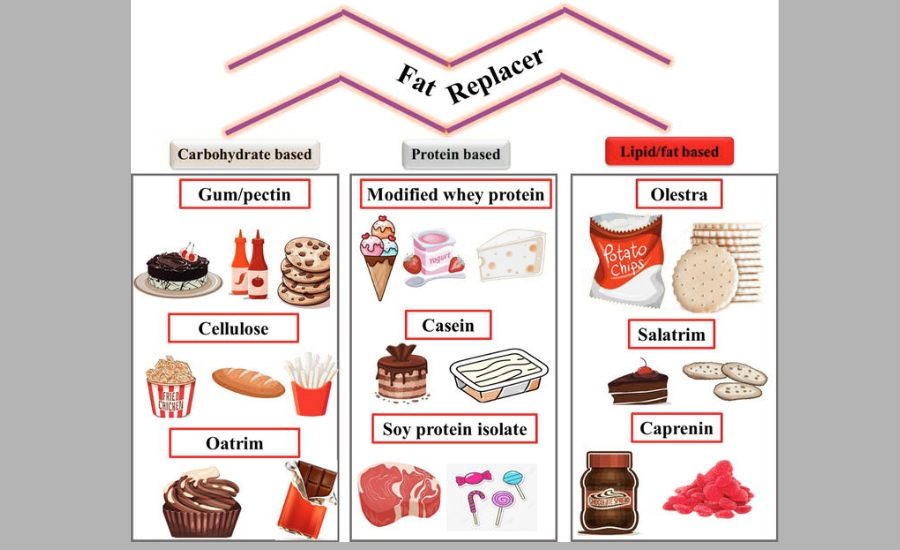

When people hear the term “food additives,” they often feel unsure or even a little worried. The idea of extra substances being added to food can sound unnatural at first. But the truth is much more balanced and practical than most people expect.
Food additives have been part of human diets for centuries, even before modern science gave them formal names. From adding salt to preserve meat to using lemon juice to keep fruits fresh, additives are not a new invention. What has changed is how advanced and controlled their use has become in today’s food industry.
What is Food Additives?
Food additives are substances added to food to improve its quality, safety, or appearance. They are used in small amounts and are carefully regulated to make sure they are safe for consumption. These substances can be natural, like vinegar, or artificial, like certain preservatives.
In simple terms, additives help food last longer, taste better, and look more appealing. Without them, many foods we rely on daily would spoil quickly or lose their texture and flavor. So instead of thinking of additives as unnecessary extras, it’s more accurate to see them as tools that improve food.
Read More: LA Clippers vs Phoenix Suns Match Player Stats
Why Food Additives Exist in Modern Diets
Modern lifestyles demand convenience, and food additives make that possible. People today rely on packaged and transported food more than ever before. Without additives, it would be difficult to store or transport food over long distances.
Another important reason is food safety. Additives help prevent the growth of harmful bacteria and reduce the risk of foodborne illness. This is especially important in large-scale food production where consistency and safety must be maintained across millions of products.
The Role of Science in Food Additives
Food additives are not added randomly. Each one goes through strict scientific testing before it is approved for use. Scientists study how it behaves in the body, how much is safe, and whether it has any long-term effects.
This scientific approach is what makes modern food additives different from older practices. Today, there is strong research behind every approved ingredient. This ensures that consumers are protected and that the food supply remains reliable and safe.
Natural vs Artificial Additives Explained
Many people assume that natural additives are always better than artificial ones. While natural additives come from plants or animals, artificial additives are created in labs. However, this difference does not automatically make one safer than the other.
What really matters is how the additive is tested and used. Some natural substances can be harmful in large amounts, while many artificial additives are completely safe when used correctly. The key is scientific evidence, not just the source.
How Additives Improve Food Shelf Life
One of the biggest roles of food additives is extending shelf life. Without preservatives, many foods would spoil within days, making storage and transport extremely difficult. Additives slow down the growth of bacteria and mold.
This not only reduces food waste but also ensures that food remains safe to eat for longer periods. In a world where food needs to travel across cities and countries, this function is essential for maintaining supply chains.
How Additives Enhance Flavor and Taste
Flavor enhancers are used to improve the taste of food without adding extra ingredients. They work by bringing out the natural flavors already present in the food. This makes meals more enjoyable without changing their core composition.
In many cases, these additives allow food companies to reduce salt or sugar while still maintaining taste. This can actually make food healthier while keeping it appealing to consumers.
The Importance of Texture and Appearance
Our perception of food is greatly influenced by its texture. Additives like emulsifiers and stabilizers help maintain a smooth and consistent texture. Without them, products like sauces or ice cream would separate or become uneven.
Appearance is equally important. People are more likely to eat food that looks fresh and appealing. Color additives help maintain this visual appeal, especially after processing or storage.
Safety Testing and Approval Process
Before any additive is used in food, it must go through strict testing. Scientists evaluate its safety through lab studies and controlled trials. They determine how much can be safely consumed over a lifetime.
Regulatory authorities then review this data before approving the additive. Only substances that meet strict safety standards are allowed in food products. This process ensures a high level of consumer protection.
What is Acceptable Daily Intake
The foundation of food safety is the idea of Acceptable Daily Intake, or ADI. It refers to the amount of a substance that can be consumed daily without risk over a lifetime. This limit includes a large safety margin.
Most people consume far below this limit in their daily diet. This means that even if additives are present in food, they are used in amounts that are considered safe by scientific standards.
What Makes an Additive Worth Adding?
An additive is considered worthwhile if it serves a clear purpose and is safe for consumption. It must improve the quality, safety, or nutritional value of the food. If it does not provide a real benefit, it should not be used.
Another important factor is transparency. Consumers should be able to understand why an additive is included. When used responsibly, additives can enhance food without misleading or harming the consumer.
Common Misconceptions About Food Additives
One common belief is that all additives are harmful. This is not true, as most approved additives have been tested extensively. Another misconception is that processed foods are always unhealthy, which is also not accurate.
Understanding the science behind additives helps clear these misunderstandings. It allows consumers to make informed choices instead of relying on fear or misinformation.
The Rise of Clean Label Trends
Clean label items have become more and more popular in recent years. This means foods with fewer and more recognizable ingredients. Consumers want transparency and simplicity in what they eat.
Food companies are responding by using natural alternatives and clearer labeling. While this trend is positive, it is important to remember that fewer ingredients does not always mean safer or healthier.
Additives in Processed vs Whole Foods
Whole foods generally contain fewer additives because they are consumed in their natural state. Processed foods, on the other hand, often require additives to maintain quality and safety.
However, not all processed foods are unhealthy. Many contain essential nutrients and are perfectly safe to eat. The key is balance and understanding what you are consuming.
Health Concerns and Scientific Evidence
Some people worry about the long-term effects of additives. While certain sensitivities can exist, most additives are considered safe based on current scientific evidence. Research continues to monitor their effects over time.
It is important to rely on credible sources and updated studies rather than rumors. Scientific consensus plays a major role in determining what is safe for public consumption.
How to Read Food Labels Effectively
You can learn more about what you are eating by reading food labels. The first few ingredients are the most crucial because they are stated in order of quantity. This gives you a clear idea of what makes up the product.
Instead of focusing only on unfamiliar names, look at the overall composition of the food. This approach helps you make better decisions without unnecessary fear.
The Role of Additives in Global Food Supply
Additives play a critical role in feeding a growing global population. They help reduce food waste and ensure that food can be transported safely across long distances.
Without additives, many regions would struggle to maintain a stable food supply. This makes them an essential part of modern food systems.
Future Trends in Food Additives
The future of food additives is moving toward more natural and functional solutions. Scientists are developing ingredients that not only preserve food but also improve health.
There is also a focus on sustainability and reducing environmental impact. This means creating additives that are both effective and eco-friendly.
Balancing Convenience and Health
Modern diets require a balance between convenience and nutrition. Additives make convenient foods possible, but it is important to maintain a healthy overall diet.
Choosing a mix of fresh and processed foods can help achieve this balance. Awareness and moderation are key to making smart food choices.
Final Thoughts
Food additives are not something to fear, but something to understand. When used correctly, they improve safety, quality, and availability of food. They are a necessary part of modern life.
The real goal is to stay informed and make balanced decisions. By understanding what makes an additive worth adding, you can approach your diet with confidence and clarity.
Also More: Aimpcity
FAQs
What are food additives used for?
Food additives are used to improve taste, shelf life, safety, and appearance of food.
Are food additives safe to eat?
Most approved additives are safe when consumed within recommended limits.
Are natural additives better than artificial ones?
Not always. Safety depends on scientific testing, not whether the source is natural or artificial.
Do additives cause health problems?
Most do not cause issues for the general population, though some people may have sensitivities.
How can I avoid too many additives?
You can reduce intake by eating more whole foods and limiting ultra-processed products.