
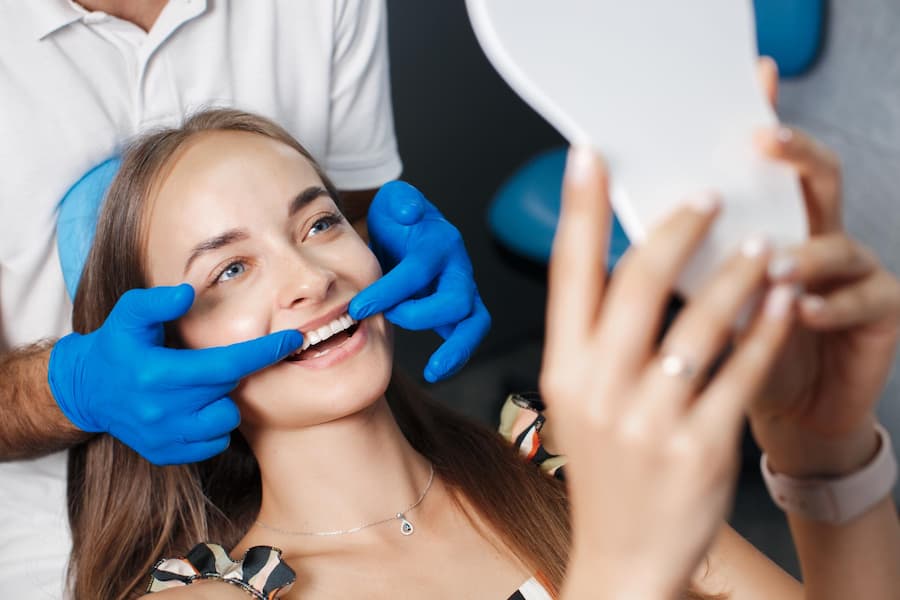

An aligned and healthy set of teeth is one thing to feel proud about, but the story does not end here once you remove your brackets and trays. Maintenance of dental hygiene becomes crucial here, as a lot of time and effort have been invested in enhancing your smile. Therefore, it becomes necessary that one takes care of his/her investment as well. Experienced Orthodontic specialists‘ advice can help patients appreciate the long-term work required to maintain tooth alignment and health for decades.
Wear Retainers As Suggested
Wearing retainers regularly is among the most crucial stages following a dental alignment procedure. Especially during the first few months following therapy, teeth normally tend to move back towards their original locations over time. Retainers stabilise the teeth and maintain their corrected alignment. Patients could be given fixed retainers bonded behind the teeth or removable retainers. Removable retainers should be worn exactly as the orthodontist tells you to.
Before transitioning to wearing them only at night, some people might have to wear them around the clock. Not wearing your retainer can lead to undesired tooth movement quickly, hence necessitating future corrections. Keeping retainers clean is also essential. Dirt on the retainer makes it easy for the device to harbour bacteria and create bad smells. Cleaning of the retainer using soap or specific cleansers helps ensure dental hygiene and also increases its durability.
Keep the Mouth Hygienic
Achievement of the alignment goals and ensuring good oral health requires one to maintain oral hygiene. Good dental hygiene does not only refer to straight teeth but also entails avoiding plaque buildup and bacterial growth. Using toothpaste with fluoride twice a day will be an important step in getting rid of any food debris or plaque in your mouth.
It is advised to floss at least once per day to get rid of any plaque formation in areas that your toothbrush cannot reach. People with permanent retainers will need to use interdental brushes and specialised flossers to remove any trapped food particles. The condition of the gums affects the stability and strength of aligned teeth; hence, leading to lower movement or problems.
Attend Dental And Orthodontic Appointments Regularly
While checkups are still considered valuable, most believe that they no longer need orthodontic appointments after treatment because the treatment is complete. Frequent visits to dentists and orthodontists allow the experts to keep track of the condition of the teeth and detect any movement at an early stage. The dentists can notice issues such as gum irritation, broken retainers, or biting problems. If required, orthodontists could advise modifications or replacement retainers.
Furthermore, guarantee that proper oral hygiene techniques remain efficient. Long-term care also absolutely relies on professional cleanings. Even with proper brushing, tartar can accumulate in hard-to-reach areas. Therefore, protecting healthy teeth and gums, regular cleanings help to maintain alignment outcomes.
Refrain From Damaging Oral Practices
Some behaviours could progressively impact dental alignment and oral health. Chewing on pens, biting nails, or utilising teeth to break packaging could put too much strain on retainers and teeth. These behaviours can cause changes or injury over time. One more issue which may affect alignment is the grinding of teeth.
Tooth grinding leads to stress on your teeth and the joint connecting your jaws, and ultimately, tooth displacement and possible destruction. If you grind your teeth at night, you are advised to put on a mouth guard to shield your teeth. The improper positioning of your tongue, along with mouth breathing, is another matter to be considered during tooth alignment. Consult with your dentist about breathing and jaw issues.
Track Changes and Move Fast
One shouldn’t disregard even little changes in tooth alignment. Some patients report retainers tightening, little gaps, or slow movement over time. These symptoms could suggest beginning tooth movement. If there are any problems at the beginning of the project, they can be fixed through simple methods which do not require complete treatment.
The orthodontist should receive immediate notification of any problems, which include retainer damage and improper fitting. Delaying may result in further movement of the teeth. Taking pictures of the grin can sometimes enable people to see modest changes. Staying proactive about dental care and maintenance helps to ensure lasting results and continued confidence.
Conclusion
The process of teeth alignment therapy needs ongoing dedication and continuous treatment to maintain its results. The retention of an attractive and healthy smile requires patients to wear retainers while maintaining proper oral hygiene and attending routine dental checkups, and avoiding detrimental activities. The prevention of tooth movement during adulthood requires people to practice small daily activities. Through proper treatment and dedication, patients will maintain their orthodontic treatment benefits for extended periods while keeping their perfect smile intact.
Visit Thediddy for more informative blogs.